
Overview of “Wet Hot American Summer” and Its Cultural Significance
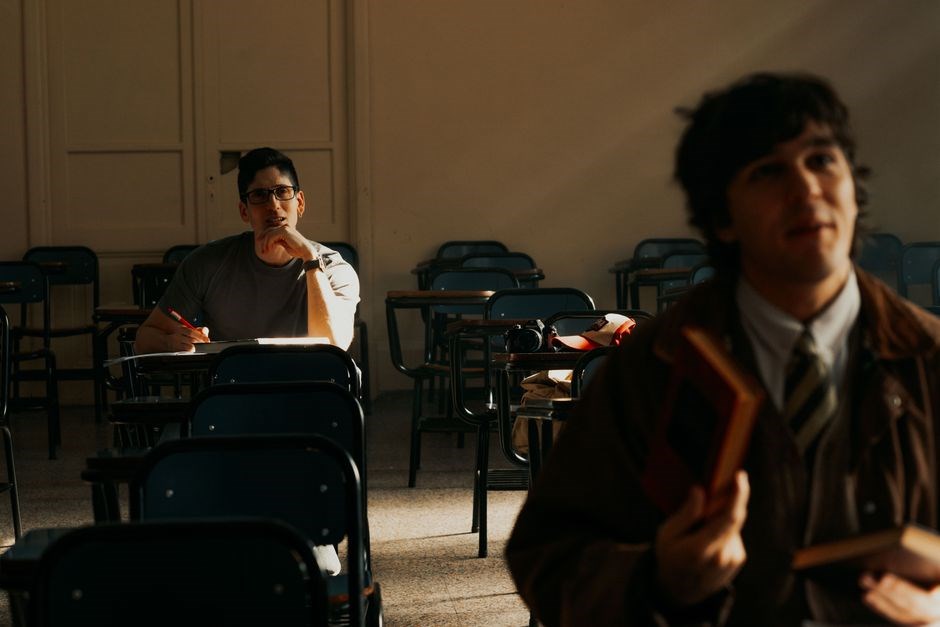
The 2001 comedy, now a cult classic, captures a single, absurd summer at a California resort, blending satire with heartfelt moments․ Its legacy endures through a 2017 series, expanding the universe while preserving the original’s sharp humor and cultural critique․ Its satire fuels nostalgic revisits․!!
Background of the Original 2001 Film
“Wet Hot American Summer” debuted in 2001, directed by David Wain and written by Wain, Jay Roach, and Dan Harmon․ The film follows a group of counselors at a fictional California summer camp during a single, chaotic day․ Its ensemble cast—comprising Paul Rudd, Josh Brener, and a then‑unknown Zach Galifianakis—delivers rapid‑fire jokes and absurd scenarios that satirize the 1980s teen‑movie genre․ Production took place in a real resort, giving the script a realistic backdrop that contrasts with its hyper‑exaggerated dialogue․ The screenplay, originally a 120‑page draft, was trimmed to fit a 90‑minute runtime, yet retained its sharp, satirical edge․ Critics praised its clever use of meta‑humor and its commentary on adolescence, while audiences appreciated its unapologetic campiness․ Though it underperformed at the box office, the film quickly gained a cult following, largely through home‑video releases and later streaming platforms․ Its script PDF has become a staple for film students studying comedic timing and character dynamics, offering insight into how rapid dialogue and physical comedy are structured on paper․ The screenplay’s witty, self‑referential style influenced later comedy projects, cementing the film’s place in early‑2000s pop culture․ The script’s structure, with its rapid-fire exchanges and meta-commentary, serves as a textbook example for aspiring writers, while the film’s visual gags are meticulously mapped out in the screenplay’s stage directions․ —a timeless script․ masterclass
Transition to the 2017 TV Series and Expanded Narrative
In 2017, the creators revived the 2001 film’s universe as a limited‑run Netflix series, expanding the single‑day premise into a full‑season arc that revisits the same camp, now 20 years later․ The script PDF for the series reflects this shift, incorporating new characters while preserving the original’s signature humor․ The writers—Wain, Roach, Harmon, and new collaborators—crafted a narrative that balances nostalgia with satire․!! Each episode’s script is structured with a clear act division, detailed scene headings, and expanded dialogue that allows for deeper character backstories․ The series also uses meta‑references to the original film, weaving in callbacks and Easter eggs that reward long‑time fans․ Production notes in the PDF reveal how the writers adapted the film’s rapid pacing to a television format, adding subplots that explore themes of identity, sexuality, and the evolution of pop culture․ The script’s formatting adheres to industry standards, with slug lines indicating location, time, and character names, followed by concise parentheticals that guide actors’ performances․ The series’ success demonstrates the enduring appeal of the original’s absurdist comedy, while the PDF serves as a valuable resource for studying how a film’s narrative can be reimagined for a serialized medium․ The expanded storyline also highlights the importance of continuity, character development, and the creative challenges of maintaining tonal consistency across multiple episodes․ —timeless

Structure and Format of the Script PDF
The script PDF follows industry standards: a title page, cast list, scene breakdowns, slug lines, dialogue, parentheticals, and stage directions․ Each element is clearly formatted for readability, ensuring consistency across the document․ It also includes a detailed index and a clean, searchable format for navigation!!

Key Sections Included (Title Page, Cast List, Scene Breakdown)
The PDF begins with a clean title page, presenting the film’s name, director, writer, and production company․ A centered, bold header sets the tone, while a subtle watermark or logo provides a professional finish․ Beneath this, a concise synopsis outlines the plot, offering a quick reference for readers․
Following the title page, the cast list appears in a structured table․ Each entry lists the actor’s name, character, and a brief descriptor․ This section is crucial for cross‑referencing dialogue and ensuring accurate attribution throughout the script․
The scene breakdown section is the backbone of the document․ Each scene is marked by a slug line that includes the location, time of day, and scene number․ Sub‑headings indicate key actions, camera movements, and any special effects․ The breakdown is formatted in a two‑column layout: the left column details stage directions, while the right column contains dialogue and parentheticals․
Additional elements—such as a character index, production notes, and revision history—are appended at the end of the PDF․ These components aid editors, actors, and production teams in navigating the script efficiently․
Readers and scholars can use the PDF to trace narrative arcs, study comedic timing, and examine production choices․ The document’s clear layout supports quick reference, making it a valuable resource for workshops, film courses, and fan‑led retrospectives․
Its accessibility and thoroughness make it a staple for anyone exploring the film’s legacy․
Formatting Standards for Screenplay PDFs (Slug, Dialogue, Parentheticals)
In a professional screenplay PDF, the slug line anchors each scene․ It is centered, in all caps, and includes the scene number, location, and time of day․ For example: “SCENE 12 – RAIN‑SOAKED BEACH – NIGHT․” The slug is followed by a brief action description that sets the tone․
Dialogue follows the slug․ The character’s name is centered and in all caps, with a short pause before the spoken words․ Each line of dialogue is left‑justified, with a 1‑inch margin on the left and a 1․5‑inch margin on the right․ This spacing keeps the text readable on screen and in print․
Parentheticals are placed on a separate line, indented slightly, and are used sparingly to indicate tone, direction, or vocal emphasis․ For instance: (whispering) or (angrily)․ They should not clutter the script; instead, they provide subtle cues for actors and directors․

Consistent use of font—typically Courier New, 12‑point—ensures uniformity․ Bold and italics are reserved for emphasis and are applied sparingly to avoid visual noise․ Page numbers appear in the bottom right corner, while the header may contain the title or production company․
Adhering to these standards not only preserves the script’s professional appearance but also facilitates collaboration among writers, directors, and actors, ensuring that every element—from slug to parenthetical—contributes to a coherent, engaging narrative․
These guidelines keep the PDF a reliable reference for production teams, scholars, and fans preserving the film’s comedic timing visual flair!!!

Obtaining the Script PDF Legally
Purchase the official script through the publisher’s website or authorized digital platforms․ Ensure the file is a licensed PDF, not a pirated copy․ Verify the source, read terms, and support the creators by buying legitimate copies․ Support the film’slegacy today
Official Distribution Channels (Publisher Websites, Streaming Platforms)

To obtain a legitimate PDF of the “Wet Hot American Summer” script, buy it from authorized channels․ The publisher’s site offers a secure digital download immediately after payment, with a preview confirming title, author, and formatting․ Streaming platforms that host the film or the 2017 series also provide scripts in premium bundles or as separate purchases, often with director’s notes and production stills․ These packages guarantee licensing and high quality PDFs․ The production company’s digital storefront sells scripts directly to fans, ensuring authenticity and supporting creators․ Verify seller authorization by checking official logos, licensing statements, and reviews․ Purchasing through these channels protects against piracy, legal issues, and malware․ In summary, the most reliable method to acquire the script PDF is to buy it from the publisher’s site, a licensed streaming platform, or the production company’s official store, all of which provide authentic, legally distributed, high quality files!!
Fans often seek the script for academic study, fan fiction, or to analyze dialogue and character arcs․ The PDF format allows easy annotation, highlighting, and sharing among study groups․ It also serves as a reference for set designers, costume departments, and special effects teams who want to replicate the film’s iconic scenes․ By owning a copy, users can cite the source accurately in essays, presentations, and research papers, avoiding copyright infringement․ Moreover, the PDF’s embedded metadata includes production credits, making it a reliable archival resource for future retrospectives and analysis and archival research community collaboration enhancement creative inspiration project development critical analysis and creative critical analysis and dialogue character scene structure??
Purchasing Options (eBook, Physical Print, Digital Downloads)
When acquiring the “Wet Hot American Summer” script, buyers can choose from three primary formats, each catering to different preferences and use cases․ The eBook version is lightweight, instantly downloadable, and compatible with most e‑readers and PDF viewers․ It allows quick annotation and search, ideal for students and researchers․
The physical print edition offers a tactile experience with high‑resolution pages, preserving layout and page numbers․ Collectors and theater groups favor it for rehearsals, and it includes a durable cover and a complimentary director’s commentary booklet․
All three options are available through the publisher’s official website, major online retailers, and licensed streaming services that bundle scripts with their media packages․ Prices vary based on format and edition, but each purchase includes a digital license that permits personal use, study, and non‑commercial sharing․ Always verify the seller’s authenticity to avoid counterfeit copies and to support the creators behind the beloved screenplay․ Available in both paperback and hardcover editions now

Reading and Utilizing the Script for Analysis
Studying the script reveals layered humor, character arcs, and cinematic cues․ Annotate dialogue, note timing, and cross‑reference scenes to uncover thematic depth․ Use the PDF’s page numbers for precise citations in essays or production notes․
Character Development and Dialogue Analysis
Examining the script reveals how each cast member’s arc is driven by witty exchanges and situational irony․ The protagonist’s evolution from naive to self‑aware is marked by escalating banter that mirrors his internal conflict․ Secondary characters, such as the over‑enthusiastic counselor and the rebellious teen, gain depth through recurring motifs in their speech patterns, allowing readers to trace subtle shifts in tone and intent․
- Dialogue pacing: Quick, punchy lines underscore the film’s frenetic energy, while longer, reflective monologues expose hidden motivations․
- Character voice: Distinct linguistic quirks—regional slang, sarcasm, or earnestness—differentiate personalities and reinforce narrative stakes․
- Repetition and callbacks: Recurrent phrases serve as narrative anchors across scenes and reinforce thematic motifs․
- Conflict resolution: The script’s climactic exchanges resolve character tensions, illustrating growth and reinforcing the story’s moral compass․
By annotating these elements, scholars can map character trajectories, assess the effectiveness of comedic timing, and evaluate how dialogue functions as both exposition and emotional catalyst․ The PDF format facilitates precise page referencing, enabling rigorous academic critique and creative reinterpretation․ Its witty structure invites nuanced critique, making it a staple in film studies curricula․!

Visual and Cinematic Techniques Highlighted in the Script
In the screenplay, visual storytelling is woven through descriptive stage directions and camera cues that mirror the film’s satirical tone; The writer employs a palette of bright, saturated colors to emphasize the absurdity of the summer setting, while the use of wide shots captures the sprawling resort landscape, creating a sense of isolation among the characters․ Camera movement is explicitly outlined, with frequent references to handheld tracking, dolly zooms, and rapid cuts that heighten the frenetic pacing․ The script also includes intentional use of jump cuts to punctuate punchlines, and slow‑motion sequences that exaggerate physical comedy․ The script’s pacing is tight, ensuring laughs land․
Camera movement is explicitly outlined, with frequent references to handheld tracking, dolly zooms, and rapid cuts that heighten the frenetic pacing․ The script also includes intentional use of jump cuts to punctuate punchlines, and slow‑motion sequences that exaggerate physical comedy․
Sound design is integrated through dialogue tags and sound effects, indicating ambient noises like waves, surf music, or the creak of a cabin door․ The script’s sound cues are designed to sync with visual beats, ensuring that comedic timing is preserved in the final edit․ The inclusion of a “music cue” section allows composers to align score motifs with character entrances, enhancing emotional resonance․
Overall, the screenplay’s visual directives serve as a blueprint for the film’s aesthetic, providing a cohesive framework that balances comedic energy with thematic depth․ By translating these cues into production, the director can maintain the original’s satirical edge while delivering a visually engaging experience․

Common Pitfalls When Using Script PDFs for Projects
When using script PDFs, beware of formatting errors, missing page numbers, or corrupted fonts that hinder readability․ Ensure the file is genuine, not a pirated copy, and verify that all dialogue and scene headings are intact․ Properly cite sources to avoid copyright disputes․ Check page numbers,verify!․
Copyright and Fair Use Considerations
When working with the Wet Hot American Summer script PDF, it is essential that the document is protected by copyright law․ The original screenplay, written by David Wain and others, remains the intellectual property of the creators and their publishers․ Any use of script—whether for academic analysis, projects, or adaptations—must comply with the legal framework that governs copyrighted works․ The U․S․ Copyright Act provides a limited exception known as fair use, which allows for the use of copyrighted material without permission under certain circumstances․ However, fair use is a defense that must be evaluated on a case‑by‑case basis, considering four primary factors: the purpose and character of the use, the nature of the copyrighted work, the amount and substantiality of the portion used, and the effect of the use on the potential market for the original․ For instance, a scholarly critique may qualify, whereas reproducing large portions likely does not․ original context remains․ now Consulting a legal professional familiar with copyright law can help navigate situations and mitigate risk of infringementnow!now now now 2024!!
Ensuring File Integrity and Accessibility (PDF Readers, OCR Issues)
When you obtain a Wet Hot American Summer script PDF, the first safeguard is to confirm its integrity․ Compare the file’s SHA‑256 hash with the publisher’s checksum if one is listed; a mismatch signals corruption or tampering․ Use a reliable PDF reader—Adobe Acrobat Reader DC, Foxit, or the browser’s built‑in viewer—to open the file, as these applications support the PDF/UA standard, preserving text layers, embedded fonts, and accessibility tags․ If the PDF is a OCR misinterpret fonts․!! Run a OCR pass with a engine such as ABBYY FineReader or Tesseract, and compare the output to the layout to catch errors․ For long‑term preservation, convert the file to PDF/A, which embed all fonts, color profiles, and metadata, ensuring the document remains readable without dependencies․ Validate the PDF/A compliance with veraPDF or PDF/A‑Validator․ Finally, keep a backup of the original PDF and any edited copies in a secure location; this protects against accidental loss and allows you to revert to a pristine source if future edits introduce errors․ If you encounter rendering glitches, consider updating your reader to the latest version, as updates often fix font and color handling bugs․ Zoom to confirm clarity!! Export the PDF to PDF/A before sharing to guarantee consistent rendering across devices and preserve fully embedded elements!! Embed a PDF/A checksum and include an XMP metadata block that records author, title, and creation date, ensuring consistency and preserves all embedded elements!!!