
The Blood of Olympus Book PDF: A Comprehensive Guide (Updated 01/27/2026)
Today’s date is 01/27/2026․ This guide provides information on accessing “The Blood of Olympus” in PDF format, covering legitimate sources and potential risks associated with downloads․
“The Blood of Olympus,” the thrilling fifth and final novel in Rick Riordan’s The Heroes of Olympus series, concludes an epic saga of demigods battling against Gaia, the primordial Earth goddess․ Released on October 7, 2014, this installment follows Percy Jackson, Annabeth Chase, and their companions as they race against time to save Mount Olympus and the world․
Many readers prefer the convenience of a digital copy, leading to a significant interest in finding a legitimate PDF version of the book․ This guide aims to navigate the landscape of online availability, distinguishing between safe, legal options and potentially harmful, unauthorized downloads․ Understanding the risks associated with unofficial sources is crucial, as they may contain malware or violate copyright laws․
We will explore official avenues for purchasing the ebook and accessing a PDF, alongside a discussion of the legal implications surrounding digital book distribution․ This introduction sets the stage for a comprehensive overview, ensuring readers can enjoy “The Blood of Olympus” responsibly and securely․

What is “The Blood of Olympus”?
“The Blood of Olympus” represents the culmination of the interwoven narratives within The Heroes of Olympus series․ It’s a young adult fantasy novel where seven demigods, children of Greek and Roman gods, embark on a perilous quest to defeat Gaia, who seeks to awaken and destroy the world․ The story intricately blends Greek and Roman mythology, exploring themes of prophecy, loyalty, and sacrifice․
The narrative unfolds with multiple perspectives, allowing readers to experience the urgency and danger from various characters’ viewpoints․ The demigods must simultaneously defend Camp Half-Blood and Camp Jupiter, the respective American bases for Greek and Roman demigods, while fulfilling a crucial prophecy․
A PDF version offers a portable and accessible way to experience this epic tale․ However, it’s vital to obtain this format legally to support the author and publisher․ Understanding the book’s context – its place within the larger series and its core themes – enhances the reading experience, making the search for a legitimate PDF worthwhile․
Why Seek a PDF Version?

A PDF version of “The Blood of Olympus” offers unparalleled convenience and accessibility․ Readers can enjoy the novel on various devices – smartphones, tablets, e-readers, and computers – without needing a physical copy․ This portability is ideal for commuters, travelers, or anyone who prefers digital reading․
PDFs also allow for easy searching of specific passages or keywords, beneficial for research or revisiting favorite moments․ The format preserves the original formatting of the book, ensuring a consistent reading experience․ Furthermore, digital copies can be backed up, safeguarding against loss or damage to a physical book․
For those seeking to immerse themselves in the world of Greek and Roman mythology, a readily available PDF provides instant access to this thrilling conclusion of the Heroes of Olympus series․ However, prioritizing legitimate sources is crucial to respect copyright and support the author’s work․

Finding a Legitimate PDF of The Blood of Olympus
Accessing “The Blood of Olympus” legally involves purchasing from official sources like authorized online bookstores, ensuring you support the author and publisher․
Official Sources for Purchase
Securing a legitimate copy of “The Blood of Olympus” PDF begins with exploring official sources․ Major ebook retailers, such as Amazon Kindle, Barnes & Noble Nook, and Kobo, consistently offer Rick Riordan’s novels in digital format․ These platforms guarantee a safe download, free from malware or viruses often found on unofficial websites․
Furthermore, directly visiting the publisher’s website, Disney-Hyperion, is a reliable option․ They frequently provide links to authorized retailers where the ebook can be purchased․ Purchasing directly supports the author and ensures you receive a high-quality, properly formatted PDF version of the book․
Consider also checking online bookstores affiliated with larger retail chains․ These often run promotions or offer discounts on ebooks, potentially providing a more affordable option․ Always verify the seller’s authenticity before completing a purchase to avoid fraudulent websites․ Remember, supporting official channels protects intellectual property and ensures continued access to quality literature․
Risks of Downloading from Unofficial Sites
Downloading “The Blood of Olympus” PDF from unofficial websites carries significant risks․ These sites frequently host malware, viruses, and other malicious software disguised as ebooks, potentially compromising your device and personal data․ Such downloads can lead to identity theft, financial loss, and system instability․
Furthermore, many unofficial PDFs are poorly formatted, contain errors, or are incomplete versions of the book, diminishing the reading experience․ These copies often violate copyright laws, contributing to financial harm for the author and publisher․ Supporting these sites incentivizes the distribution of illegal content․
The promise of a “free” PDF is often a deceptive tactic․ Unofficial sites may bombard users with intrusive advertisements or redirect them to phishing websites․ Prioritizing legitimate sources ensures a safe, legal, and high-quality reading experience, protecting your digital security and supporting the literary community․
Legal Considerations Regarding PDF Downloads
Downloading copyrighted material like “The Blood of Olympus” PDF from unauthorized sources is a violation of international copyright laws․ Authors and publishers retain exclusive rights to their work, including distribution․ Obtaining a PDF through illegal means constitutes copyright infringement, potentially leading to legal repercussions․
Copyright holders can pursue civil lawsuits against individuals who illegally download or distribute their work, seeking monetary damages․ While prosecution for a single ebook download is rare, widespread distribution or commercial gain significantly increases legal risk․ Supporting legitimate channels protects intellectual property rights․
Purchasing a PDF from authorized retailers ensures compliance with copyright regulations and supports the author’s livelihood․ Respecting copyright fosters a sustainable ecosystem for writers and publishers, encouraging continued creativity and quality content․ Always verify the source’s legitimacy before downloading any digital book․
Understanding Blood Pressure & Health (Related to Themes)
Blood pressure readings consist of systolic and diastolic numbers, measured in millimeters of mercury (mm Hg)․ Pulse pressure, the difference, is also significant for health․
Systolic and Diastolic Pressure Explained
Understanding systolic and diastolic pressure is fundamental to comprehending blood pressure readings․ Blood pressure is meticulously measured in millimeters of mercury (mm Hg), providing two crucial numbers․ The systolic pressure, the top number, represents the force exerted on artery walls precisely when the heart contracts and pumps blood throughout the body․ It signifies the maximum pressure during each heartbeat․
Conversely, the diastolic pressure, the bottom number, indicates the pressure within the arteries when the heart muscle relaxes between beats․ This represents the minimum pressure exerted by the blood against the artery walls․ Both systolic and diastolic pressures are vital indicators of cardiovascular health․ Maintaining healthy levels of both is crucial for preventing heart disease, stroke, and other related complications․ Regular monitoring, as recommended by organizations like the American Heart Association, is key to proactive health management․
Pulse Pressure and its Significance
Pulse pressure, a valuable metric derived from blood pressure readings, is calculated by subtracting the diastolic pressure from the systolic pressure․ This difference reveals the elasticity and resistance within the arteries․ A normal pulse pressure generally falls between 40 and 60 mm Hg, though this can vary based on individual factors like age and overall health․
A high pulse pressure – exceeding 60 mm Hg – often indicates stiffening of the arteries, commonly associated with aging or cardiovascular disease․ Conversely, a low pulse pressure – below 40 mm Hg – can suggest issues like heart valve problems or significant blood volume loss․ Monitoring pulse pressure alongside systolic and diastolic readings provides a more comprehensive assessment of cardiovascular function․ It’s a key indicator that healthcare professionals use to evaluate a patient’s risk for heart-related complications and tailor treatment plans accordingly․
Monitoring Blood Pressure at Home
Regularly checking blood pressure at home is crucial for effectively managing hypertension, or high blood pressure․ Organizations like the American Heart Association (AHA) strongly recommend home monitoring for individuals diagnosed with the condition․ This practice empowers patients to actively participate in their healthcare and provides a more complete picture of their blood pressure fluctuations than occasional clinic visits alone․

To ensure accurate readings, use a validated blood pressure monitor and follow the instructions carefully․ Take measurements at the same time each day, ideally in the morning before medication or caffeine intake․ Record your readings and share them with your healthcare provider during appointments․ Consistent home monitoring allows for timely adjustments to treatment plans and can help prevent serious cardiovascular events․ It’s a proactive step towards better heart health and overall well-being․

Blood Tests & Health Indicators (Related to Characters)
Blood tests are essential for health screening, revealing vital information․ Children should be screened for high cholesterol between ages 9 and 11, or earlier with family history․
The Role of Blood Tests in Health Screening
Blood tests play a crucial role in preventative healthcare and identifying potential health issues before symptoms even appear․ They are the definitive method for assessing internal health, going beyond what a physical examination can reveal․ A blood test is the only way to determine certain health conditions, like high cholesterol, making regular screening vital․
The American Heart Association recommends that all children undergo cholesterol screening once between the ages of 9 and 11․ However, this screening may begin earlier if the child has a family history of high cholesterol, increasing the need for proactive monitoring․ These tests analyze various components within the blood, providing a comprehensive overview of organ function, nutrient levels, and the presence of infections or diseases․
Early detection through blood tests allows for timely intervention and management of health concerns, potentially preventing more serious complications down the line․ They are a cornerstone of maintaining overall well-being and ensuring a longer, healthier life․
Cholesterol Screening and Age Recommendations
Cholesterol screening is a vital component of preventative health, particularly concerning cardiovascular health․ Regular blood tests can identify elevated cholesterol levels, a significant risk factor for heart disease and stroke․ Early detection allows for lifestyle modifications or medical interventions to mitigate these risks effectively․
The American Heart Association (AHA) provides specific age recommendations for cholesterol screening․ They suggest that children should be screened once between the ages of 9 and 11․ However, this timeline can be accelerated if a child exhibits a family history of high cholesterol or other risk factors․ This proactive approach ensures early identification and management of potential issues․
Adults should also undergo regular cholesterol checks, typically starting around age 20, and continuing throughout life․ Frequency depends on individual risk factors and previous results, as determined by a healthcare professional․ Consistent monitoring is key to maintaining optimal cardiovascular health․

Blood Flow & Circulation (Related to Powers)
Doppler ultrasound is a noninvasive test measuring blood flow through vessels․ It uses sound waves bouncing off red blood cells, revealing circulation details․
Doppler Ultrasound for Measuring Blood Flow
Doppler ultrasound stands as a remarkably noninvasive diagnostic tool utilized to assess blood flow velocity and direction within your blood vessels․ Unlike standard ultrasounds that generate images of anatomical structures, Doppler ultrasound leverages the “Doppler effect” – a change in frequency of sound waves – to measure the speed and direction of blood cell movement․
The process involves transmitting high-frequency sound waves through the skin and into the targeted blood vessel․ As these waves encounter moving red blood cells, they bounce back, and the alteration in frequency is analyzed․ This frequency shift is directly proportional to the speed of the blood flow․
A regular ultrasound produces images, but cannot demonstrate blood movement․ Doppler ultrasound specifically focuses on this dynamic aspect, providing valuable insights into circulatory health․ It’s a crucial technique for identifying blockages, narrowing of vessels, or abnormal blood flow patterns․
How Blood Flow is Measured
Measuring blood flow relies on sophisticated techniques, with Doppler ultrasound being a primary method․ This non-invasive procedure utilizes high-frequency sound waves directed at blood vessels․ These waves reflect off moving red blood cells, and the resulting change in frequency – the Doppler shift – is analyzed to determine blood flow velocity․
The measurement is expressed in centimeters per second (cm/s)․ A higher frequency shift indicates faster blood flow, while a lower shift suggests slower flow․ Technicians assess the waveform produced, looking for patterns that indicate healthy circulation or potential issues like blockages or narrowing․
Beyond Doppler ultrasound, other methods include angiography (using dye and X-rays) and MRI․ However, Doppler ultrasound’s accessibility and lack of radiation make it a frequently preferred initial assessment tool for evaluating blood flow dynamics․

Low Blood Pressure & Potential Issues (Related to Weakness)
Low blood pressure, sometimes life-threatening, can stem from dehydration or underlying conditions․ Orthostatic hypotension is a common type, requiring prompt diagnosis and treatment․
Types of Low Blood Pressure (Orthostatic Hypotension)
Several types of low blood pressure exist, each with distinct characteristics and potential causes․ Orthostatic hypotension, also known as postural hypotension, is particularly common․ This occurs when blood pressure drops suddenly upon standing, leading to dizziness, lightheadedness, or even fainting․ It happens because gravity causes blood to pool in the legs, reducing the amount of blood returning to the heart․
The body typically compensates by increasing heart rate and constricting blood vessels, but this mechanism can be impaired in some individuals․ Factors contributing to orthostatic hypotension include dehydration, prolonged bed rest, certain medications (like those for high blood pressure or depression), and underlying medical conditions affecting the nervous system․
Other forms of low blood pressure include postprandial hypotension (a drop after eating), and neurocardiogenic syncope (caused by a miscommunication between the heart and brain)․ Understanding the specific type of low blood pressure is crucial for accurate diagnosis and effective management․
When Low Blood Pressure Becomes Life-Threatening
While often benign, low blood pressure can escalate into a critical situation requiring immediate medical attention․ Severe hypotension, where blood pressure falls drastically, can deprive vital organs – including the brain, heart, and kidneys – of sufficient oxygen and nutrients․ This can lead to shock, a life-threatening condition characterized by organ dysfunction․
Symptoms indicating a dangerous drop in blood pressure include severe dizziness, confusion, blurred vision, rapid and shallow breathing, cold and clammy skin, and a weak, rapid pulse․ Loss of consciousness is a particularly alarming sign․
Underlying causes like severe dehydration, significant blood loss (from injury or internal bleeding), severe infection (septic shock), or allergic reactions (anaphylactic shock) often trigger this dangerous decline․ Prompt diagnosis and treatment, including intravenous fluids and medications to raise blood pressure, are essential to prevent irreversible organ damage and potential fatality․
Causes of Low Blood Pressure
Numerous factors can contribute to low blood pressure, ranging from common and easily addressed issues to more serious underlying medical conditions․ Dehydration is a frequent culprit, reducing blood volume and consequently lowering pressure․ Other common causes include prolonged bed rest, pregnancy, and certain medications – particularly those used to treat high blood pressure, heart problems, or depression․
More concerning causes involve heart problems like bradycardia (slow heart rate), heart valve issues, or heart failure․ Severe infections (septic shock) and allergic reactions (anaphylaxis) can also cause a dangerous drop in blood pressure․ Additionally, endocrine problems, such as adrenal insufficiency or hypothyroidism, and nutrient deficiencies can play a role․
Finally, a condition called orthostatic hypotension, or postural hypotension, causes a sudden drop in blood pressure upon standing, leading to dizziness or fainting․ Identifying the root cause is crucial for appropriate treatment․

Blood Transfusions & Replacements (Related to Healing)
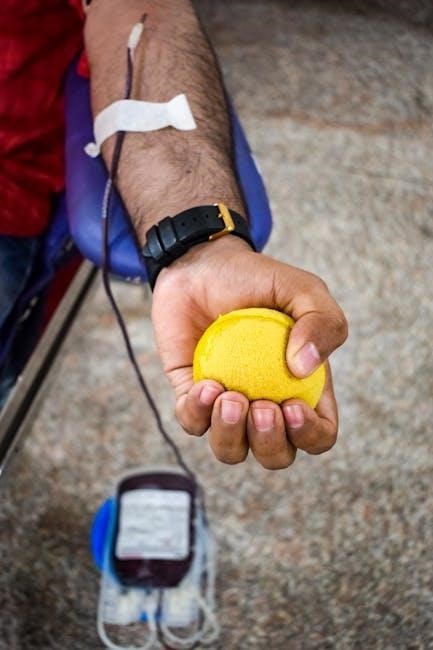
Blood transfusions involve receiving donated blood via a vein, replacing lost blood from injury or surgery, or supplementing deficient blood components․
Overview of Blood Transfusion Procedures
Blood transfusions are a remarkably common medical procedure, designed to replenish blood or specific blood components when the body is unable to adequately supply them on its own․ The process begins with careful blood typing and crossmatching to ensure compatibility between the donor and recipient, minimizing the risk of adverse reactions․
The blood, or its components, are delivered intravenously through a narrow tube inserted into a vein – typically in the arm․ Throughout the transfusion, vital signs like temperature, pulse, and blood pressure are closely monitored for any signs of complications․
Transfusions aren’t always a full blood replacement; sometimes, only specific components like red blood cells, platelets, or plasma are needed․ The duration of a transfusion varies depending on the volume of blood being administered, but it’s generally a carefully controlled process overseen by medical professionals․ This procedure is crucial for recovery from significant blood loss or managing certain medical conditions․
When are Blood Transfusions Necessary?
Blood transfusions become medically necessary in a variety of situations where the body’s natural blood supply is compromised or insufficient․ A primary reason is significant blood loss due to injury, surgery, or internal bleeding․ Transfusions rapidly replace lost volume, preventing shock and ensuring adequate oxygen delivery to vital organs․
They are also crucial for individuals with certain medical conditions, such as severe anemia, where the blood lacks sufficient red blood cells to carry oxygen effectively․ Patients undergoing cancer treatments, like chemotherapy, often require transfusions to combat the resulting decrease in blood cell production․
Furthermore, blood transfusions are vital for individuals with bleeding disorders or those who have lost blood components due to specific diseases․ In essence, a transfusion serves to restore the blood’s ability to function optimally, supporting overall health and recovery․